China has become a major sourcing hub for Wood Dining Chairs, serving restaurants, hotels, retailers, and residential projects worldwide. Its manufacturers offer solid wood, engineered wood, bentwood, and mixed-material designs. However, choosing the right supplier requires more than comparing catalog prices.
Experienced buyers examine timber species, moisture control, joint construction, sanding quality, and finishing consistency. They also review production capacity, sample accuracy, packaging protection, and export experience. A reliable factory should explain its kiln-drying process clearly. It should also provide material details and relevant quality documentation. Factory visits, video inspections, and independent product testing can reduce avoidable risks.
Details matter greatly.
Furniture designer Charles Eames said, “The details are not the details. They make the design.” This principle applies directly to Wood Dining Chairs. A carefully shaped backrest, smooth edge, and stable leg connection can influence comfort and long-term value. These small points often separate dependable suppliers from attractive but inconsistent options.
China’s top manufacturers are not identical. Some specialize in traditional oak chairs, while others focus on modern ash, rubberwood, or custom hospitality seating. Buyers should compare craftsmanship, communication, lead times, and after-sales support together. The lowest quotation may hide weaker timber or incomplete finishing. That possibility deserves attention.
No supplier is perfect.
Even strong factories may face delays, color variation, or occasional inspection failures. A thoughtful sourcing process allows room for these realities. This guide introduces leading Chinese manufacturers and suppliers, helping buyers assess capability, credibility, and suitability before placing a large order.
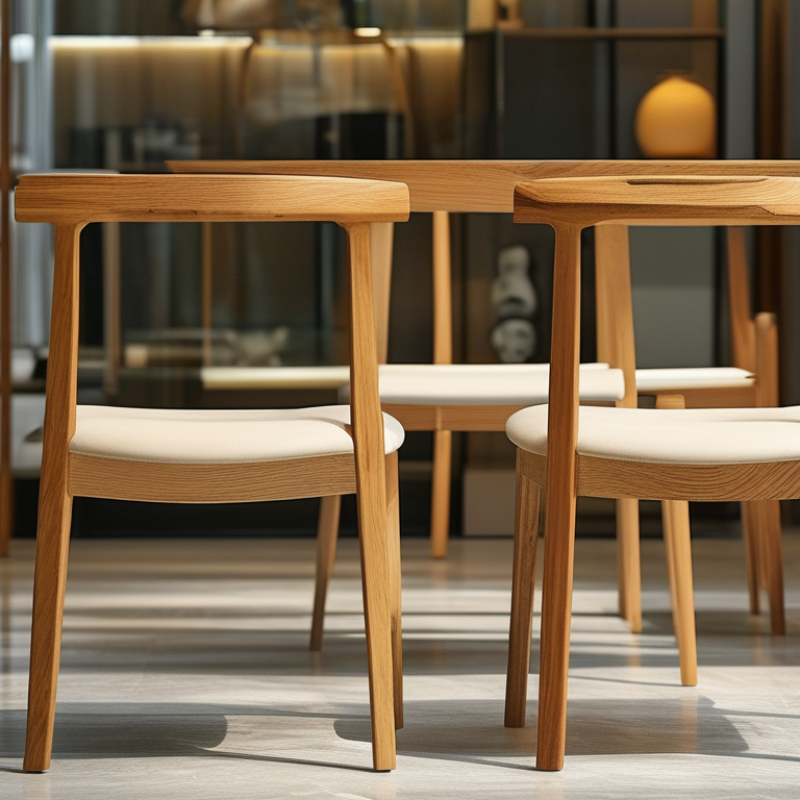
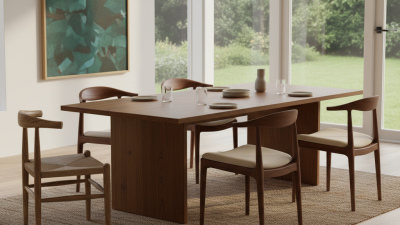
China’s wood dining chair industry covers many designs, from simple farmhouse seats to refined hotel furniture. Common materials include rubberwood, beech, ash, oak, and walnut veneer. Rubberwood offers stable pricing and a smooth surface for painted finishes. Beech and ash suit curved backs, while oak creates a stronger grain pattern.
Popular types include Windsor chairs, ladder-back chairs, cross-back chairs, and spindle-back models. Bentwood dining chairs use carefully shaped layers to create flowing curves. Upholstered wooden chairs add foam, fabric, or leather-like materials to the seat and back. Some factories also produce mixed-material designs, combining wood frames with woven cane or paper cord.
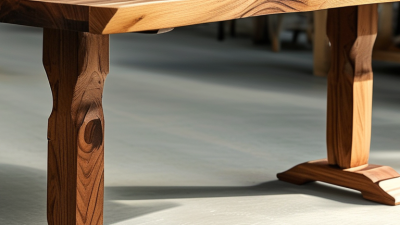
Construction quality deserves close attention. Kiln-dried timber helps reduce cracking and movement after shipment. Mortise-and-tenon joints usually provide dependable strength, while dowels can support lighter designs. I look for even sanding, clean corners, and legs that sit firmly on a flat floor. Small details matter. A chair may look attractive but still feel uncomfortable after a long meal.
Chinese suppliers often adjust seat height, back angle, stain color, and packaging for different markets. Requesting a production sample is sensible. Check wood moisture, coating consistency, joint tightness, and fabric alignment before approving bulk production. Color variation is still possible with natural timber. That point is easy to underestimate. A clear specification, inspection record, and realistic tolerance can prevent avoidable disputes.
China Top Wood Dining Chairs Manufacturers and Suppliers: Key Factors for Evaluating Chinese Chair Manufacturers
Evaluating a Chinese chair manufacturer requires more than comparing unit prices. I examine workshop capacity, wood sourcing, moisture control, and production records. Solid timber should usually show stable moisture levels, often around 8–12% for indoor furniture. Ask for recent test reports, not polished presentations. A factory should explain kiln drying, joint construction, sanding, and finishing in clear terms.
Request a production sample before approving a large order. Check whether the chair rocks on a flat floor. Inspect corner joints, screw placement, wood grain, and coating thickness. Sit on it repeatedly. Small noises may reveal weak connections. I also compare the sample with its technical drawing and approved color standard. Differences should be recorded in writing. A showroom can look excellent, but it may hide outsourced processes.
Reliable suppliers welcome independent factory audits and provide traceable material documents. Verify certificates directly with the issuing organization. Review quality-control procedures at incoming, in-process, and final stages. Ask how defects are measured and corrected. Communication matters too. Delayed answers can become delayed shipments. My own assessment can still be imperfect, especially when a sample is made under special supervision. That is why staged inspections, measurable tolerances, and payment milestones reduce avoidable risk. Evaluate packaging as well. A strong chair can still arrive with crushed corners or scratched legs.
China’s wood dining chair production is concentrated in several strong furniture regions. Zhejiang, especially Anji, is known for timber processing, chair components, and efficient assembly lines. Many factories there handle beech, rubberwood, ash, and engineered wood. The area suits buyers seeking steady volume and flexible designs.
Guangdong, with Foshan as a major manufacturing center, offers mature furniture supply chains. Workshops can coordinate wood shaping, finishing, metal parts, and upholstery nearby. Jiangsu and Shandong also deserve attention. Their factories often focus on solid wood construction, traditional joinery, and export-oriented quality control. In practical factory visits, moisture testing matters more than attractive samples. A beautiful chair can still warp after shipment. No region is perfect. Production skills and management standards vary widely.
Tips: Ask for kiln-drying records, wood species details, load-test results, and finish samples. Compare the same specification across regions. Check chair joints after repeated use, not only during inspection. Confirm packaging with a trial shipment. Small details matter. Also review replacement-part support and inspection timing before placing a large order.
| Production Region | Representative Furniture Clusters | Typical Manufacturing Strengths | Common Wood and Material Options | Logistics and Export Advantages | Best Suited For |
|---|---|---|---|---|---|
| Zhejiang | Anji and Huzhou furniture areas | Large-scale seating production, OEM manufacturing, chair frame assembly, upholstery, finishing, and product customization | Rubberwood, beech, ash, pine, plywood, veneer, and mixed wood-metal structures | Convenient access to Ningbo-Zhoushan and Shanghai port networks; strong domestic supplier base for components and packaging | Importers seeking stable production capacity, coordinated sourcing, and private-label dining chair programs |
| Guangdong | Foshan, Shunde, and surrounding Pearl River Delta furniture areas | Contemporary furniture design, export-oriented OEM/ODM production, surface finishing, upholstered seating, and mixed-material furniture | Rubberwood, ash, oak, walnut-look veneer, plywood, MDF, metal, leather, and performance fabrics | Strong connection to Shenzhen, Guangzhou, Nansha, and Yantian port logistics; efficient access to packaging and hardware suppliers | Retail chains, hospitality projects, design-led collections, and buyers requiring frequent style updates |
| Jiangsu | Suzhou, Kunshan, Nantong, and nearby Yangtze River Delta furniture areas | Precision woodworking, solid-wood components, repeatable batch production, quality control, and contract furniture manufacturing | Oak, ash, rubberwood, birch, plywood, engineered wood, and water-based or solvent-based coatings | Integrated Yangtze River Delta supply chain with access to Shanghai, Taicang, and nearby container terminals | Commercial furniture buyers, restaurant groups, wholesalers, and customers requiring consistent specifications |
| Shandong | Linyi, Qingdao, and surrounding wood-processing and furniture areas | Wood processing, panel production, solid-wood furniture, cost-effective batch manufacturing, and flat-pack preparation | Pine, rubberwood, ash, poplar-based panels, plywood, MDF, veneer, and solid-wood finger-jointed components | Access to Qingdao port and a well-developed northern China road and rail distribution network | Value-focused wholesalers, project buyers, flat-pack retailers, and distributors ordering standard designs |
| Fujian | Xiamen, Quanzhou, and surrounding coastal furniture areas | Export-oriented production, solid-wood and mixed-material seating, upholstery coordination, and customized packaging | Rubberwood, ash, oak, pine, plywood, veneer, rattan, bamboo, metal, and upholstered components | Direct access to Xiamen port and established Southeast Asian, European, North American, and regional shipping routes | Exporters needing flexible designs, coordinated accessory sourcing, and coastal shipping efficiency |
| Hebei | Bazhou, Langfang, and nearby northern furniture areas | Domestic furniture distribution, standardized dining sets, cost-controlled production, and wood-metal furniture assembly | Pine, rubberwood, ash, plywood, MDF, veneer, powder-coated steel, and laminated panels | Close to Beijing-Tianjin markets and Tianjin port; strong trucking connections across northern China | Domestic distributors, budget-conscious buyers, and importers sourcing simple, high-volume chair models |
| Favorable Supplier Evaluation Criteria | Applicable to manufacturers in all regions | Wood moisture control, joint strength, load testing, finishing consistency, packaging protection, production capacity, and quality inspection procedures | Confirm wood species, country of origin, formaldehyde-emission class for panels, coating requirements, and sustainable-sourcing documentation where required | Compare port distance, container loading efficiency, export documentation, lead time, and destination-market compliance requirements | Buyers comparing suppliers without relying solely on price |
Regional profiles are based on established furniture and wood-processing clusters in China. Production capabilities, materials, certifications, minimum order quantities, and export terms should be verified directly with each prospective supplier.
Selecting a reliable Chinese wood dining chair supplier requires more than comparing prices. Start with factory evidence, not polished online photos. Ask for registration details, production address, workshop images, and recent export experience. A video call can reveal useful details: timber storage, sanding areas, dust control, and packing methods. Request a live walk-through when possible. It is harder to stage.
Order a pre-production sample and inspect it under normal dining-room light. Check wood moisture, leg alignment, joint strength, surface feel, and finish consistency. Sit on the chair repeatedly. Not perfection. A good supplier should explain wood species, allowable color variation, load testing, and replacement procedures. Ask for written drawings with dimensions and tolerance limits. Small errors become expensive across a shipment. Independent inspection before shipment adds another layer of control. However, inspection cannot repair a weak design.
Reliable communication matters as much as machinery. Test response times with clear questions about lead time, packaging, spare parts, payment terms, and quality claims. Confirm who approves changes. Keep every decision in dated documents. Do not accept vague promises. I have seen buyers focus heavily on the sample and overlook carton strength. That mistake can damage chairs before customers use them. Suppliers may also underestimate color differences between batches. Discuss this risk early, and allow reasonable limits. A supplier that admits limitations may be safer than one claiming perfection. Ask for corrective-action records, but read them critically. Some reports sound complete while hiding the original cause.
Ordering wooden dining chairs from China requires more than comparing catalog prices. Define wood species, dimensions, load capacity, finish, and packaging before requesting quotations. Ask for a production sample, not only photographs. Small details matter. Confirm whether the quoted price includes cushions, inspection fees, and export packaging. Written specifications prevent costly disagreements later.
Quality control should check moisture content, joint strength, surface smoothness, color consistency, and chair stability. Inspect several units from different cartons, because one perfect sample proves little. Use an independent inspection before shipment when the order is substantial. Keep photos and measurement records. I have seen buyers overlook minor finish defects that became obvious under restaurant lighting. That mistake is easy to repeat.
Tips: Request a pre-production sample and approve it in writing. Use stronger corner protection for long-distance shipping. Confirm carton markings, pallet requirements, and delivery terms. Check import duties, product labeling, and safety rules with a qualified customs professional in your destination country. Regulations differ. Also allow time for port delays and replacement parts. A few spare legs or hardware sets can save a difficult service call.