Top 10 Tips for Choosing a Modern Dining Table?
Choosing the right modern dining table can feel overwhelming. With so many options available, it's easy to get lost. A modern dining table should fit your style and needs. It serves as the centerpiece for gatherings and meals.
When hunting for that perfect table, consider the size of your space. A table too big can overwhelm a small dining area. Conversely, a tiny table may look lost in a spacious room. Think about how many people you typically host. Is it always family, or do friends often join?
It's important to reflect on your lifestyle. Do you host elaborate dinners or casual brunches? Do you prefer minimalistic designs or bold statements? Choosing a modern dining table isn’t just about aesthetics; it’s about functionality too. Dive into the details, and remember: it’s okay to take your time in making this important decision.
Understanding Your Space: Measuring for the Perfect Dining Table Size
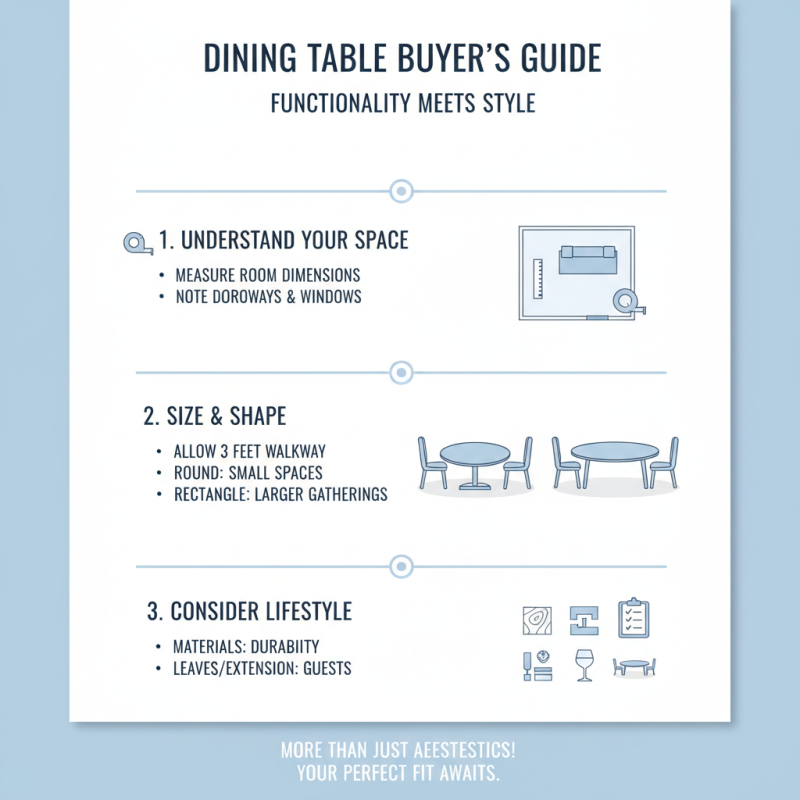
Choosing the right dining table is more than just aesthetics; it’s about functionality. Understanding your space is crucial. Start by measuring the area where you plan to place the table. Consider the dimensions of the room, including doorways and windows. This will ensure you don’t end up with a table that feels cramped or overwhelms the room.
Think about the flow of the space. Leave enough room for chairs to move freely. A table should allow at least three feet of walking space on all sides. This ensures comfort during meals and when entertaining guests. Sometimes, it’s hard to visualize how the table will fit. You might find yourself wishing for more space after the table is in place.
Don’t forget about the table’s height. It needs to suit your chairs and the average height of your dining area. A miscalculation here can lead to awkward dining experiences. Consider how many people you'll seat regularly. A table that’s too small can leave everyone feeling squished. A larger table can be spacious but may overpower your decor. Balancing these elements is the key.
Choosing the Right Material: Wood, Glass, Metal, or Composite?
Choosing the right material for a modern dining table
can greatly impact your dining experience. Wood provides warmth and durability, making it a preferred choice. According to a recent industry report, solid wood tables account for about 30% of dining table sales, with oak and walnut being popular selections. However, they can be heavy and require regular maintenance to keep them looking pristine.
Glass tables offer a modern appeal. Their sleek surfaces can make a space feel larger. Yet, they often need frequent cleaning to avoid fingerprints and smudges. A stunning glass table may be enticing, but
scratches can be a significant drawback. In fact, research indicates that around
20% of buyers experience issues with glass durability over time.
Metal tables are gaining traction, appealing to those who enjoy an
industrial look. They are often lightweight and easy to clean, but they can feel cold and uninviting. Some individuals find them uncomfortable for prolonged use. Composite materials, like
engineered wood, combine aesthetics with practicality, providing an affordable alternative. However, they might lack the charm of solid wood options, leaving some owners longing for a more authentic feel.
Design Styles: Matching Your Dining Table with Home Decor
Choosing the right dining table is not just about size or material. It also involves how well it fits your overall home decor. Consider your interior style. Is it modern, rustic, or eclectic? The table should reflect that vibe. For a sleek modern look, a simple glass or metal table can work wonders. A wooden table adds warmth and complements a rustic theme beautifully.
When selecting a table, think about the colors and patterns in your home. A bold, dark wood table might clash with light walls. Look for pieces that create harmony. If your decor leans toward minimalism, choose a table with clean lines. A round table can soften your space, bringing a touch of intimacy. Reflect on your personal style, too.
Accessorizing your table is key. Use elaborate centerpieces or plain linens depending on the vibe. Don't shy away from mixing materials. Glass and metal can coexist nicely. Pay attention to scale; a large table can dominate a small room. Keep balance in mind. With so many options, there’s always room for trial and error. Pick what feels right, and don’t hesitate to change it up later on.
Top 10 Tips for Choosing a Modern Dining Table
This chart illustrates the importance of various factors when choosing a modern dining table. The data represents how consumers prioritize different aspects in their decision-making process.
Consider Seating Capacity: How Many Guests Do You Host Regularly?
When considering a dining table, seating capacity is crucial. Think about how often you entertain guests. According to a survey by HomeAdvisor, 45% of homeowners host dinner parties at least once a month. If you’re part of this statistic, you need a table that accommodates your guest list.
For a family of four, a standard table should fit six people comfortably. This ensures room for extra guests without feeling cramped. An ideal table is 30 inches wide per person. If you expect frequent gatherings, consider a table that expands. Extendable options allow flexibility as your hosting needs change.
Reflect on your lifestyle. Do you frequently have large groups? Maybe an occasional small dinner? A table that fits your lifestyle can improve hosting experiences. Many overlook this detail and regret it later. A well-chosen table not only satisfies seating needs but also enhances the dining atmosphere. It’s essential to match size with function. Having a beautiful table is great, but practical use is key.
Balance Functionality and Aesthetics: Practical Tips for Dining Tables
Choosing a modern dining table blends functionality with aesthetics. It's an opportunity to showcase your style while ensuring it meets practical needs. Begin by considering the size of your dining area. A table should fit comfortably, leaving space to move around. You may find a large table visually appealing, but if it overcrowds the space, it defeats the purpose.
Material also plays a crucial role. Wood brings warmth, while glass offers a sleek, contemporary look. However, glass requires more maintenance. Think about how often you'll use the table. Will it host family dinners or casual gatherings? This will determine the durability needed. You may have children or pets; a sturdy table might be essential. The right choice balances beauty with everyday use.
Don’t forget about the table shape. Round tables encourage conversation but may limit space. Rectangular ones can accommodate more guests, but they might feel less intimate. Reflect on how you envision your dining experiences. It’s a challenge to find a design that meets all criteria without compromise. The best table enhances your home and your life. Consider these factors carefully to make an informed choice.
Top 10 Tips for Choosing a Modern Dining Table
| Tip Number |
Tip Description |
Functionality |
Aesthetics |
| 1 |
Consider the Size of Your Space |
Accommodates the number of seats |
Fits in with room dimensions |
| 2 |
Choose the Right Shape |
Maximizes seating |
Complements your decor style |
| 3 |
Material Matters |
Durability and maintenance |
Visual appeal and texture |
| 4 |
Height and Legroom |
Comfortable seating |
Proportioned design |
| 5 |
Style Compatibility |
Matches existing furniture |
Enhances overall aesthetic |
| 6 |
Color Choices |
Neutral to blend or bold to stand out |
Adds personality to the room |
| 7 |
Multi-Functionality |
Serves various dining needs |
Stylish enough for entertaining |
| 8 |
Consider the Finish |
Ease of cleaning |
Complements the decor |
| 9 |
Budget Consideration |
Value for money |
Quality vs price balance |
| 10 |
Personal Touch |
Reflects personal style |
Uniqueness in design |