page-head

Blog

What Are Wooden Desk Legs and How Do You Choose Them?

Wooden Desk Legs are the supporting structures beneath a desktop, but they influence far more than stability. Their timber, shape, height, and connection method affect comfort, appearance, and long-term durability. A carefully chosen leg can make a simple oak top feel like finished furniture. A poorly matched one may wobble, crack, or look visually unbalanced.

Choosing them requires more than comparing photographs online. Measure the desktop thickness, working height, and available knee space first. Most desks sit near 28 to 30 inches high, but users and chairs differ. Consider hardwood species, grain direction, moisture content, and protective finishing. Oak, maple, and beech usually provide dependable strength, while softer woods may dent more easily. Inspect the mounting plates, screws, and threaded inserts because strong legs still need secure connections.

Details matter here.

Weight capacity should include the desktop, monitor, computer, books, and occasional leaning. A wide leg may improve stability, yet it can restrict foot movement. Tapered legs save visual weight but may require careful bracing. Adjustable feet can help on uneven floors, although cheap hardware sometimes loosens over time. These are practical observations, not absolute rules. Room style, budget, and construction quality can change the best answer.

This guide examines common Wooden Desk Legs, their materials, dimensions, mounting options, and suitable desk designs. It also questions popular assumptions, including the belief that heavier wood always means better performance. Reliable choices come from measured requirements, visible craftsmanship, and realistic daily use—not appearance alone.
What Are Wooden Desk Legs and How Do You Choose Them?

What Are Wooden Desk Legs and What Purposes Do They Serve?

Wooden desk legs are structural supports made from solid timber or engineered wood. They connect a desktop to the floor and determine its working height, balance, and visual character. Their purpose is not merely decorative. Properly designed legs distribute weight from monitors, books, and equipment without making the top sag.

They also improve daily comfort. A desk around 72 to 75 centimeters high suits many seated users, but chair height and body proportions matter more than a fixed rule. Measure twice. A tapered leg can create more knee room, while a broad trestle offers stronger support for heavy desktops. Joinery, screws, and mounting plates should resist sideways movement, not only downward pressure.

Wood also responds to moisture and temperature. A solid leg may expand slightly across its grain, so rigid connections can become stressed over time. This detail is often overlooked. Check the grain direction, leg thickness, floor level, and expected load before choosing a style. Adjustable feet can correct minor unevenness, although they may reduce the clean appearance. A light finish helps protect the surface, but it will not repair weak joints or poor measurements. The best choice balances stability, comfort, maintenance, and the room’s character.

What Are Wooden Desk Legs and How Do You Choose Them?

Wooden desk legs support the tabletop, determine working height, and contribute to the desk’s visual style. The chart compares representative leg heights for common desk purposes. Choose a leg length based on the desired finished desk height, tabletop thickness, user comfort, and required stability.

Typical seated desks use legs around 69–72 cm, while standing and counter-height desks require longer legs. Children’s desks generally use shorter legs to match their seating height. The final measurement should be adjusted for the thickness of the desktop and any leveling hardware.

How Different Wood Types Affect Desk Leg Performance

What Are Wooden Desk Legs and How Do You Choose Them?

Wooden desk legs support the desktop, resist sideways movement, and shape the desk’s visual character. Their performance depends heavily on wood species, grain direction, moisture, and joint design. The USDA Forest Products Laboratory’s Wood Handbook, FPL-GTR-282, reports typical oven-dry densities near 350 kg/m³ for eastern white pine, 705 kg/m³ for hard maple, and 755 kg/m³ for white oak. Denser wood usually offers better dent resistance, but density alone does not guarantee a stronger leg.

Softwoods such as pine are lighter and easier to machine. They can work well for compact desks with properly reinforced joints. However, screw holes may loosen sooner under repeated movement. Hard maple and beech provide firmer surfaces and better resistance to chair impacts. Oak offers high stiffness, although its open pores need careful finishing.

The Wood Handbook also notes that wood changes dimension as moisture changes. A dry room can produce small gaps around joints. That detail is often overlooked.

Choose legs with straight grain and minimal knots near mounting points. A thicker leg may still wobble if the apron connection is weak.

ANSI/BIFMA desk-testing guidance emphasizes stability and durability under repeated loading, not appearance alone.

In practical evaluations, push the assembled desk from several directions. Watch the joints, not just the tabletop.

I would avoid choosing only by color. That mistake is common. Timber movement, fastener placement, and floor leveling deserve equal attention.

Which Wooden Desk Leg Styles Suit Different Desk Designs?

Wooden desk legs support more than weight; they establish the desk’s visual character. In workshop practice, I have found that leg shape often matters as much as the desktop itself. Tapered legs suit Scandinavian and minimalist desks. Their narrow ends create a light, quiet appearance. They work especially well with pale timber and thin rectangular tops. Keep the taper moderate, or the desk may feel fragile.

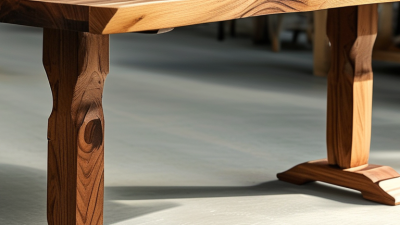
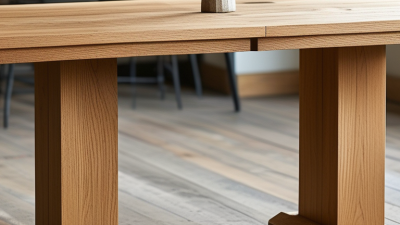
Turned legs bring rounded details to traditional, farmhouse, or writing desks. Their curves pair naturally with paneled drawers and thicker tops. Square, chunky legs suit executive desks and rustic worktables. They provide visual strength and accommodate heavier surfaces. A trestle design offers excellent stability for wide desks. Its side supports leave more legroom, but the crossbar must not obstruct your feet. Check that detail carefully.

For industrial-inspired interiors, simple rectangular wooden legs with dark stains can suggest structure without looking overly decorative. Slanted legs suit compact home offices, although their angle can reduce knee clearance. Measure the user’s sitting position, not just the desktop height. A common mistake is choosing attractive legs that make the desk uncomfortable. Joint quality, wood movement, and floor protection also deserve attention. I once underestimated a slightly uneven floor, and the finished desk rocked until adjustable glides corrected it. Good design is rarely only visual.

What Are Wooden Desk Legs and How Do You Choose Them? — Which Wooden Desk Leg Styles Suit Different Desk Designs?

Wooden Leg Style Typical Shape and Construction Best-Suited Desk Design Recommended Desk Size Visual Character Key Advantages Selection Considerations
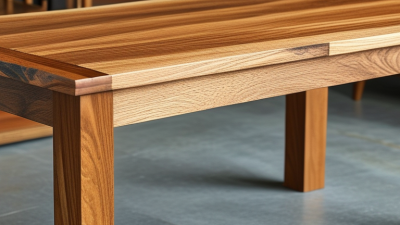
Straight Square Legs Four vertical legs with a square or rectangular profile, commonly made from solid wood or laminated timber. Suitable for compact desks up to approximately 120 cm wide and medium desks up to approximately 160 cm wide. Clean, balanced, and visually stable. Easy to manufacture, simple to match with many tops, and generally straightforward to repair or replace. Check that the leg thickness is proportionate to the desktop. Very slim legs may require additional support rails on wider tops.
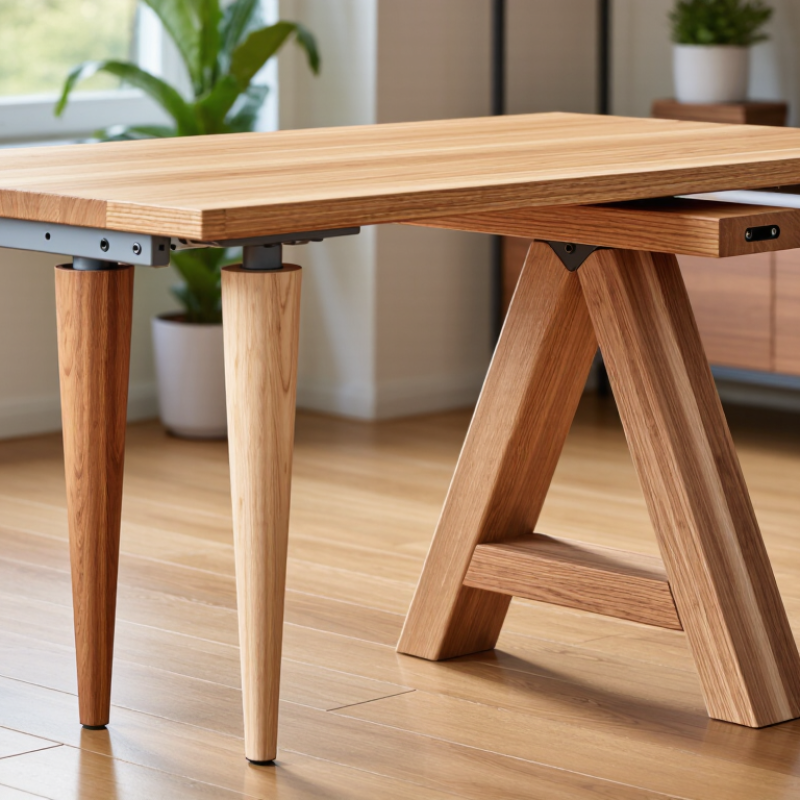
Tapered Legs Legs become narrower toward the floor, usually tapering on two or four sides. Best for small to medium desks, commonly 100–160 cm wide. Light, elegant, and less visually heavy than square legs. Creates a refined appearance while preserving the warmth of natural wood. Use strong mounting plates or corner blocks. Excessive tapering can reduce rigidity and may be unsuitable for heavy desktops.
Turned Legs Rounded legs shaped on a lathe, often featuring beads, rings, curves, or tapered sections. Suitable for compact and medium desks, generally up to approximately 150 cm wide. Decorative, crafted, and traditional. Adds visual detail without requiring carved panels or complex desktop decoration. Decorative profiles can collect dust. Match the turning detail with the style of the drawer fronts, handles, and desktop edge.
Bun Feet Short, rounded wooden supports placed beneath a cabinet, pedestal, or compact desktop structure. Best for smaller desks or desks supported by side cabinets rather than four independent legs. Compact, decorative, and grounded. Works well where a low visual profile is desired and can complement built-in storage. Not normally suitable as the only support for a large, deep desktop. Confirm adequate clearance for feet and cleaning underneath.
Cabinet or Pedestal Legs Wooden side panels, cabinets, or enclosed supports extending from the floor to the underside of the desktop. Suitable for wide or deep desks, including desktops approximately 160–220 cm wide when properly supported. Substantial, formal, and furniture-like. Provides storage and strong lateral support while reducing the need for separate slim legs. Allow sufficient legroom between supports. Heavy cabinets require a level floor and careful weight distribution.
Trestle Legs Two or more framed supports connected by horizontal braces, with the desktop resting on top. Well suited to medium and large desks, commonly 140–220 cm wide. Architectural, practical, and visually distinctive. Can support long desktops and often allows the top to be removed or repositioned. Place the trestles far enough from the ends to reduce tipping, but not so far inward that the desktop overhang becomes unstable.
A-Frame Legs Two angled wooden supports forming an “A” shape, usually joined by a crossbar or stretcher. Suitable for medium and large desktops, approximately 120–200 cm wide. Strong, open, and dynamic. Angled supports can improve stability and create generous clearance for chairs and storage. Use non-slip feet and secure the desktop against lateral movement. Confirm that the angled legs do not interfere with chair placement.
X-Frame Legs Crossed wooden members forming an “X,” commonly used at both ends of the desk or as a trestle assembly. Best for medium to large desks, generally 140–220 cm wide. Bold, decorative, and visually strong. Offers good resistance to side-to-side movement when the joints and crossbars are well constructed. Cross-bracing can reduce legroom. Check joint hardware, floor contact, and the height of the central crossing point.
Hairpin-Inspired Wooden Legs Slender, splayed wooden legs that echo the open geometry of hairpin furniture while retaining a wood construction. Best for light to medium desktops, commonly 90–150 cm wide. Lightweight, simple, and retro-inspired. Creates an open footprint and makes a small room appear less crowded. Use sufficiently thick legs and robust mounting hardware. This style may need a stretcher or apron for a heavy desktop.
Solid Slab Legs Broad vertical wooden panels or slabs used as one-piece side supports. Suitable for medium and large desks, approximately 140–220 cm wide. Monolithic, calm, and modern. Provides strong visual support and can help stabilize a deep or substantial desktop. Leave adequate knee clearance and use properly aligned supports to prevent the top from twisting or stressing the joints.
Hairpin-Style Mixed-Material Legs Wooden leg elements combined with metal brackets, rods, or mounting plates. Typically suitable for light to medium desks, approximately 90–160 cm wide. Contrasting, modern, and space-efficient. Combines the warmth of wood with the visual lightness and structural efficiency of metal components. Protect the floor from metal contact and ensure that the connection between wood and metal allows for secure, even loading.

How to Choose the Right Height, Size, and Shape

What Are Wooden Desk Legs and How Do You Choose Them?

Wooden desk legs support the desktop and influence its comfort, stability, and visual character. They may be solid, tapered, turned, or shaped into trestle frames. In practice, the right choice begins with height. Most sitting desks work well near 28 to 30 inches high, including the desktop. Measure your chair, arm position, and actual working posture before buying. A beautiful leg can still create shoulder strain.

Size matters as much as height. Thick legs suit heavy desktops, while slim legs fit lighter surfaces and smaller rooms. Check the wood’s load capacity, fastening points, and floor contact area. A narrow foot may look elegant but can wobble on uneven flooring. Leave enough space for your knees and chair movement. I once chose legs that looked balanced in a photo, yet felt cramped after installation. That mistake was useful.

Tips: Place the desktop on temporary supports first. Sit there for ten minutes. Notice your elbows, knees, and monitor height. For shape, tapered legs make a desk feel lighter, while square legs provide a stronger, architectural appearance. Curved or turned legs add traditional detail, but they may reduce usable legroom. Match the shape to the room, not only to current trends. Recheck every measurement. Even a small error becomes obvious during daily work.

What Installation and Maintenance Factors Should You Consider?

Wooden desk legs support more than a tabletop. They influence stability, comfort, and the desk’s visual weight. Common options include tapered legs, square legs, trestle frames, and adjustable designs. Before choosing, measure the tabletop thickness and your preferred working height. A beautiful leg can still feel wrong if your knees hit the frame.

Installation requires accurate marking and a suitable fastening method. Place each leg at equal distances from the edges, then check the layout from below. Pilot holes help prevent splitting, especially near the leg ends. Use screws that grip securely without passing through the tabletop. For heavier surfaces, add mounting plates or corner braces. Tighten each fastener gradually. Over-tightening may crush soft wood.

Tips: Assemble the desk on a level floor. Use a spirit level across both directions. Add thin felt pads when the floor is uneven. Recheck every joint after several days, because wood can shift slightly with humidity. Wipe spills quickly with a soft, dry cloth, and avoid soaking unfinished surfaces. A small amount of suitable wood treatment may protect exposed grain, but test it in a hidden area first. I once assumed a rigid frame would remove every wobble; it did not. Uneven flooring and loose hardware still mattered. Check the cause before adding more parts.