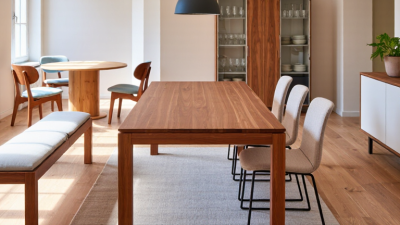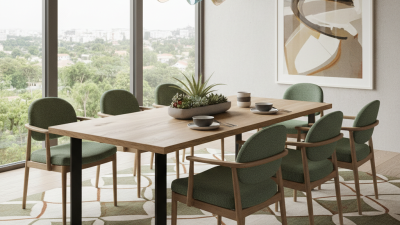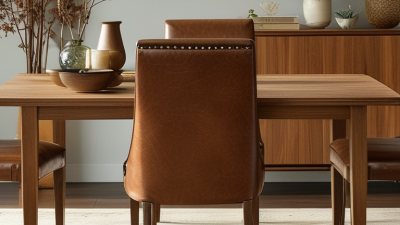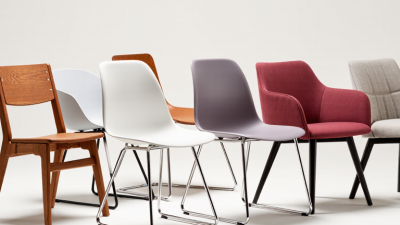
Choosing dining furniture in 2026 requires more than matching colors and following showroom trends. Dining Room Furniture must support everyday meals, remote work, celebrations, and changing household needs. A beautiful table can still feel wrong when its corners block movement or its surface shows every fingerprint.
Measure the room before browsing. Leave enough space for chairs to slide back comfortably, especially near walls and doors. A practical layout usually matters more than a dramatic photograph. I have seen compact rooms improve immediately after replacing oversized chairs with slimmer, supportive designs. It was not glamorous, but it worked.
Materials also deserve careful attention. Solid wood offers repairability, while responsibly sourced timber can reduce environmental concerns. Recycled materials may help, although their durability varies between manufacturers. Ask for clear product information, care instructions, warranty coverage, and recognized safety certifications. Do not trust vague sustainability claims.
Comfort is easy to underestimate.
Test the seat height, back angle, and table clearance before purchasing. Families with children may need stain-resistant finishes, while older adults may prefer stable chairs with supportive arms. Those choices are personal, not always fashionable. Lighting, acoustics, and storage should influence the final decision too.
This guide explores how to choose Dining Room Furniture for real homes in 2026. It compares proportions, materials, construction quality, maintenance needs, and emerging design preferences. Some predictions may age poorly. That is worth acknowledging. Reliable choices should remain useful even when trends change.
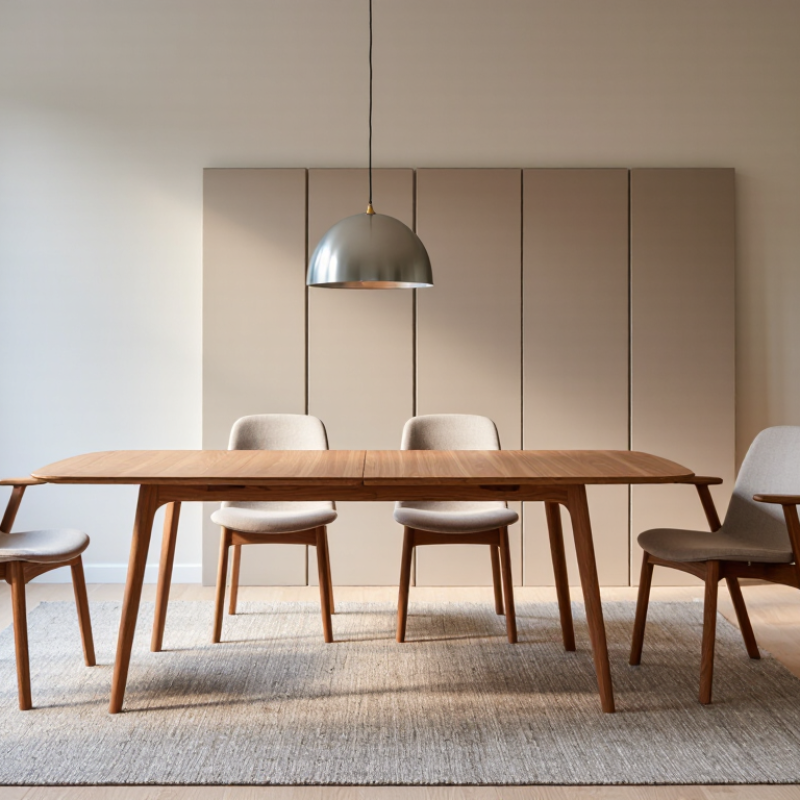
Choosing dining furniture in 2026 starts with household behavior, not a showroom photograph. The U.S. Census Bureau’s 2023 American Community Survey shows that roughly 29% of households contain one person. That changes the meaning of “dining set.” A compact table may support breakfast, remote work, and evening meals. Measure the room while doors, drawers, and chairs are fully open. Leave about 36 inches for comfortable circulation.
Flexibility matters. The American Society of Interior Designers’ 2024 Trends Outlook identifies adaptable, multifunctional spaces as a continuing design priority. Consider an extendable table, stackable chairs, or a bench that fits beneath the tabletop. However, flexibility should not become an excuse for weak construction. Sit for ten minutes. Check the chair’s back angle and edge pressure. Your dining room should feel comfortable before it looks impressive. Small details matter.
Material choices also need practical scrutiny. A 2024 consumer sustainability report from Deloitte found that many consumers consider durability and repairability when evaluating products, although cost still limits purchases. Choose surfaces that tolerate warm plates, spilled water, and repeated cleaning. Ask how finishes can be repaired. A perfect match is unlikely. I would rather accept a small color variation than buy furniture that feels disposable. The overlooked test is sound: pull a chair across the floor and listen for looseness.
Measure the room before browsing furniture. Record wall lengths, ceiling height, doors, windows, radiators, and power outlets. Leave at least 36 inches for comfortable circulation around the table, according to NKBA planning guidelines. A passage near a doorway may need more. In practice, 42 inches feels safer when chairs stay occupied. Add the table length, chair depth, and clearance twice. This simple equation exposes tight layouts early. The 2024 Houzz & Home Study reports that 76% of renovating homeowners hired professionals for at least one project. Measurement deserves similar care.
Tips: Use painter’s tape to mark the table footprint. Place paper rectangles under the chairs. Pull each chair back fully. Walk through the taped plan while carrying a serving tray. It sounds excessive, but it reveals awkward corners quickly. Choose a 60-inch table only when the room supports its full footprint. Round tables improve movement in compact rooms, while rectangular tables suit longer spaces. Keep at least 48 inches behind frequently used chairs when possible. Professional planners often use 36 inches as a minimum, not a promise of comfort. The 2024 International Residential Code also supports clear exit routes, but furniture planning must consider real daily behavior. I once underestimated a sideboard’s door swing; the layout looked elegant and worked badly. Leave room for mistakes. Future flexibility matters more than a perfect drawing.
How to Choose Dining Room Furniture in 2026?
Choosing Materials, Styles, and Sustainable Features
A dining room table should suit daily habits, not just showroom lighting. Measure the room with chairs pulled out. Leave enough space for walking and serving. I prefer solid wood for its repairability, but quality veneer can reduce material use and remain durable. Check the joinery, table edges, and underside before buying. Wobbly legs usually become worse.
Style should support the room’s architecture and your routine. Rounded tables soften narrow spaces, while rectangular designs help larger gatherings. Natural wood, recycled metal, and textured fabric can create a warm, modern balance. Avoid matching every piece too closely. A slightly imperfect chair or visible grain often makes the room feel lived-in. I once chose pale upholstery and regretted it after several family meals.
Sustainable features deserve careful questions. Look for responsibly sourced timber, durable finishes, and replaceable hardware. Independent environmental certifications can provide useful evidence, but labels still need checking. Ask how the furniture was made, packaged, and transported. Local production may shorten delivery distances, though it does not automatically prove lower impact. Choose chairs with removable covers and tables that can be refinished. Repair matters. Recycled content is valuable, but a fragile product may create more waste over time. I still question whether every “eco” claim reflects the whole product lifecycle. A simple material list often tells more than polished advertising.
A practical comparison of common dining furniture materials, design styles, care requirements, and sustainability considerations.
| Material | Typical Appearance | Durability and Performance | Care Requirements | Sustainable Features to Look For | Best-Matched Styles | Best Use Case |
|---|---|---|---|---|---|---|
| Solid Wood | Visible grain, warm tones, and natural variation | Long-lasting and repairable; may expand or contract with humidity | Wipe spills promptly; use coasters and avoid prolonged moisture or direct heat | Reclaimed wood, recycled content, durable finishes, and responsibly managed forestry certification | Traditional, farmhouse, Japandi, rustic, and contemporary | Families seeking a durable table that can be refinished or passed on |
| Engineered Wood | Consistent surfaces with veneer, laminate, or painted finishes | Stable and often more affordable; edges and surfaces can be sensitive to impact or moisture | Use a soft damp cloth; prevent water from reaching seams and exposed edges | Recycled wood fiber, low-emission adhesives, replaceable parts, and long-wearing laminates | Minimalist, Scandinavian, modern, and space-efficient designs | Budget-conscious rooms, apartments, and flexible dining areas |
| Glass | Transparent, reflective, and visually lightweight | Tempered glass is stronger than ordinary glass and is designed to break into smaller pieces if shattered; edges may still chip | Clean with a non-abrasive glass cleaner; avoid abrasive pads and hard impacts | Recycled glass content, durable frames, and designs that allow separate material recycling | Contemporary, minimalist, industrial, and small-space interiors | Rooms that need a brighter, more open visual effect |
| Metal | Smooth, structured, and available in matte, polished, or coated finishes | Strong and stable; steel and aluminum resist wear, while untreated surfaces may corrode in damp conditions | Dust regularly; dry wet areas quickly and repair damaged coatings to limit corrosion | High recycled content, recyclable construction, powder coating, and bolted rather than permanently bonded parts | Industrial, modern, loft, and mixed-material styles | High-use dining rooms needing sturdy legs or easy-clean surfaces |
| Rattan or Cane | Open woven patterns with a light, natural texture | Comfortable and lightweight; natural fibers can weaken with excessive moisture, sunlight, or heavy impact | Vacuum gently or dust with a soft brush; keep away from prolonged dampness | Renewable plant-based fibers, repairable woven panels, and water-based coatings | Coastal, bohemian, tropical, organic modern, and relaxed contemporary | Dining chairs where breathability and visual softness are priorities |
| Upholstered Fabric | Soft, comfortable, and available in many colors and textures | Comfortable but more vulnerable to staining and abrasion than hard surfaces; performance varies by weave and finish | Vacuum regularly; treat spills according to the fabric-care label and use removable covers when possible | Recycled fibers, solution-dyed textiles, replaceable covers, natural fibers, and low-impact finishes | Classic, transitional, contemporary, and eclectic interiors | Long meals, formal dining, and homes where seating comfort is essential |
| Stone or Ceramic | Solid, cool, and available in natural patterns or uniform finishes | Highly resistant to heat and scratches in many applications; natural stone may stain or require sealing | Follow the surface-care instructions; use trivets and avoid harsh chemicals on sensitive stone | Recycled mineral content, locally sourced stone, repairable bases, and long service life | Mediterranean, modern, luxury, minimalist, and architectural styles | Busy households needing a heat-resistant and easy-clean tabletop |
Choosing dining room furniture in 2026 means balancing comfort, flexibility, and visual calm. Measure the room before shopping. Leave at least 36 inches around the table for comfortable movement. A 60-inch round table suits many compact rooms, while an extendable table supports weekly meals and larger gatherings. Solid joinery matters more than fashionable finishes.
I would not chase perfect symmetry. Real homes rarely stay perfectly arranged.
Chairs should support upright dining without pressing behind the knees. Test the seat for ten minutes, not ten seconds. Add storage near the dining area for linens, serving pieces, and children’s supplies.
Closed cabinets hide visual clutter, while one open shelf keeps everyday ceramics accessible.
The 2024 Houzz & Home Study shows homeowners continue investing in functional home improvements, which supports choosing furniture that solves practical problems, not merely decorative ones.
Tips:
Use paper templates before buying.
Check table height against chair arms.
Choose dimmable lighting with a warm color temperature near 2700K–3000K.
The U.S. Department of Energy reports that LED bulbs use at least 75% less energy and last up to 25 times longer than incandescent bulbs.
Hang a pendant so its lowest point sits roughly 30–36 inches above the tabletop. This range may need adjustment in rooms with tall ceilings.
Keep the mistake visible: lighting that looks beautiful online can create glare over a glossy table.
How to Choose Dining Room Furniture in 2026?
Quality should be judged through construction, not appearance alone. I inspect table joints, drawer movement, edge finishing, and chair-frame stability. Solid wood can last well, but dense engineered panels may offer better dimensional stability. Material labels can mislead. Ask about moisture control, surface coatings, and replacement parts before purchasing. A sturdy table should resist light pressure without wobbling or creaking.
Comfort depends on more than attractive upholstery. Sit for several minutes, keeping both feet flat and your back relaxed. Check whether the chair supports your thighs without pressing behind the knees. For dining tables, allow enough knee space and at least 60 centimeters per guest. I prefer slightly firm seats because they remain supportive during long meals. Very soft cushions may feel luxurious briefly, then lose shape.
Budget planning should include delivery, assembly, floor protection, and future repairs. A cheaper chair becomes expensive when its joints loosen within two years. I once chose a glossy table because it looked refined under showroom lighting. Fingerprints and scratches appeared quickly at home. That mistake changed how I assess long-term value. Look for repairable parts, replaceable covers, and finishes that can be refreshed. Measure doorways carefully. A beautiful table has little value if it cannot enter the dining room.
Comparing quality, comfort, budget, and long-term value
Typical service life varies by construction quality and maintenance. Solid hardwood generally offers the longest usable life, while engineered wood can provide a lower-cost option with a shorter expected service period. When comparing value, consider durability alongside seating comfort, repairability, warranty coverage, and the total cost over time.
Data shown represents commonly reported typical service-life ranges for dining furniture construction types; actual results depend on materials, joinery, daily use, humidity, and care.