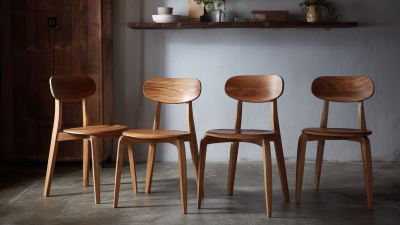
page-head

Blog

2026 Best Modern Dining Chairs for Global Buyers

Choosing the right Modern Dining Chairs is not only a style decision. It affects comfort, posture, room flow, and long-term value. Global buyers now compare curved backs, recycled fabrics, solid wood frames, and compact silhouettes. They also examine shipping protection, care requirements, and supplier transparency.

Charles Eames, one of the most influential voices in modern furniture design, said, “The details are not the details. They make the design.” His words remain practical today. A chair may look beautiful online, yet feel too firm after a long dinner. A polished frame may impress in photographs, yet show fingerprints quickly. These small realities deserve attention.

This guide explores the 2026 Best Modern Dining Chairs for Global Buyers through a practical, design-led lens. It considers everyday comfort, material performance, construction quality, and visual balance. We look at chairs for apartments, restaurants, hospitality projects, and family dining spaces. Some recommendations favor molded forms. Others value natural grain, repairability, or stackable construction.

There is no perfect chair.

Personal comfort varies. Room measurements can mislead. Even trusted materials may age differently across climates. Buyers should check seat height, packaging details, warranty terms, and care instructions before ordering. Product claims also need verification from reliable manufacturers or independent testing sources. The strongest choice is rarely the most fashionable one. It is the chair that still feels comfortable, stable, and appropriate after months of daily use.
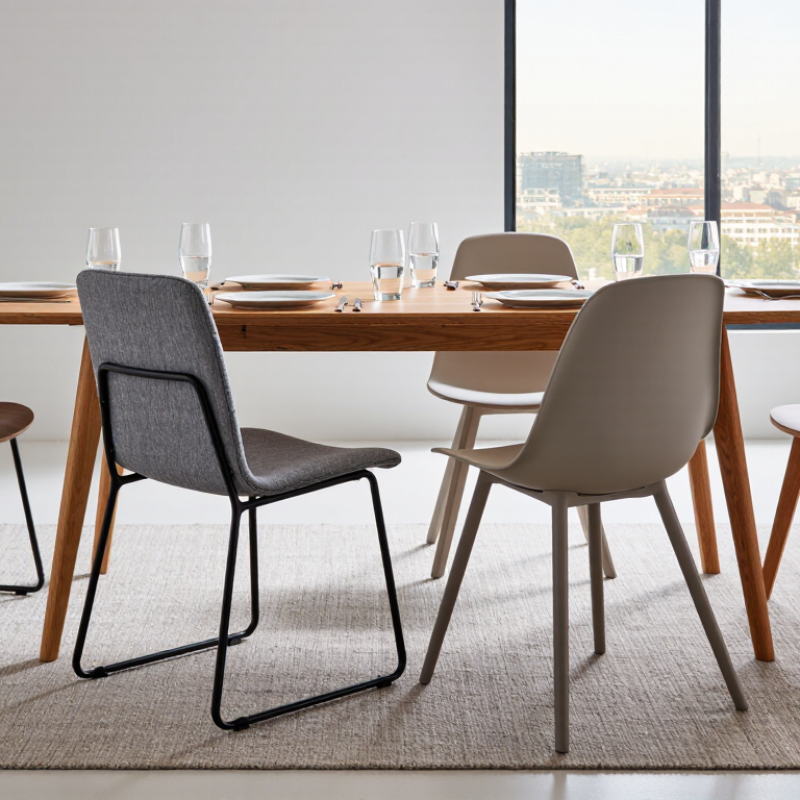
2026 Best Modern Dining Chairs for Global Buyers

Definition and Key Features of Modern Dining Chairs

Modern dining chairs are seating designed for shared meals, yet their role extends beyond the table. They combine contemporary proportions, practical comfort, and a visually uncluttered form. Unlike heavily decorated traditional styles, modern chairs often use clean lines, restrained colors, and purposeful details. A curved back, slim frame, or softly padded seat can create a lighter appearance. Comfort still matters most. For global buyers, the definition should include function, not appearance alone.

In practical evaluation, seat height, back support, and table clearance deserve close attention. A seat near 45–48 centimeters high suits many standard dining tables, but user heights vary. The chair should allow relaxed knees, stable feet, and enough shoulder room. Materials may include solid wood, metal, molded plastic, or upholstery with easy-clean surfaces. Look for balanced joints, even finishes, smooth edges, and stable weight distribution. These details often reveal manufacturing quality better than photographs.

For international purchasing, check packaging strength, assembly instructions, care requirements, and applicable safety documentation. Climate also changes performance. High humidity may affect untreated wood, while strong sunlight can fade some fabrics. A sleek chair is not automatically durable. That assumption can fail. I would compare tested load capacity, warranty terms, replacement parts, and cleaning methods before approving an order. Even small differences in seat firmness can alter long meals. Preferences remain imperfect and personal.

Materials, Construction, and Contemporary Design Styles

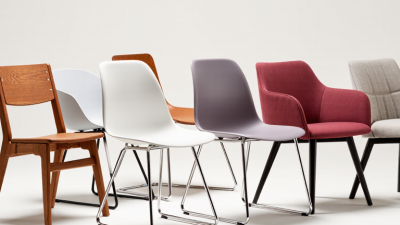
Modern dining chairs are no longer defined by one fixed look. Global buyers now compare material performance, construction quality, and visual comfort together. Upholstered chairs offer warmth, but tightly woven fabrics need stain testing and careful maintenance. Recycled plastic can provide consistent color and easy cleaning. Solid wood adds natural character, although grain movement may cause small seasonal changes.

Construction deserves close attention. A strong chair usually has reinforced joints, balanced legs, and a seat that supports the body without excessive softness. I have found that edge finishing matters more than showroom photography suggests. Rough undersides, uneven stitching, or loose fasteners can reveal rushed production. Metal frames suit industrial and minimalist interiors, while molded shells create a lighter contemporary appearance. Curved backs, muted colors, and mixed materials are also shaping current dining spaces. Still, fashionable details can age quickly.

Tips: Request material samples, assembly images, weight capacity, and test reports before ordering. Check chair dimensions against the table height. Leave enough space for elbows and movement. Ask about packaging protection for long-distance shipping. A chair may look elegant online but feel narrow in daily use. That mistake is easy to make. Review replacement parts, cleaning instructions, and finish consistency with the supplier. Small variations may be natural, especially in wood, but major differences should be documented before production.

2026 Best Modern Dining Chairs for Global Buyers - Materials, Construction, and Contemporary Design Styles
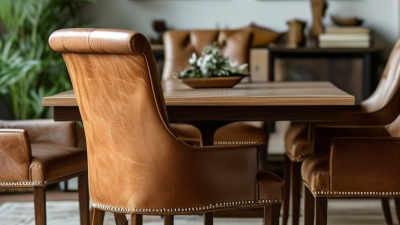
Design Style Typical Materials Construction Features Typical Dimensions Comfort Profile Best Use Maintenance Global Buyer Notes
Minimalist Upholstered Polyester, linen-blend, or recycled-fiber upholstery; plywood or solid-wood frame; molded foam Internal frame with webbing or elastic support; rounded back; concealed fasteners W 48–55 cm × D 52–60 cm × H 76–84 cm; seat height 45–49 cm Medium to soft cushioning with supportive lumbar contact Apartments, dining rooms, hospitality interiors, and long meals Vacuum fabric regularly; clean spills promptly; use upholstery-safe products Check textile composition, stain resistance, fire-safety documentation, and carton dimensions
Scandinavian Wood Solid beech, ash, oak, or rubberwood; plywood seat; water-based lacquer or oil finish Tapered legs, curved backrest, dowel or mortise-and-tenon joints, contoured seat W 45–52 cm × D 48–55 cm × H 78–84 cm; seat height 45–48 cm Firm, breathable, and upright; optional seat cushion improves softness Everyday family dining and compact spaces Dust with a soft cloth; wipe moisture quickly; avoid prolonged direct sunlight Wood species, moisture content, finish type, and replacement glides affect durability
Modern Wishbone or Paper-Cord Solid hardwood frame; woven paper cord or natural-fiber seat; protective clear finish Steam-shaped or curved back rail; hand-woven or machine-woven seat; reinforced leg joints W 48–56 cm × D 48–55 cm × H 76–82 cm; seat height 45–48 cm Firm but flexible seat with good airflow Design-focused residential dining areas and boutique interiors Keep the cord dry; remove dust with a soft brush; avoid abrasive cleaners Natural materials may vary in color; confirm repair options for woven seats
Molded Plastic Polypropylene, recycled polypropylene, or glass-fiber-reinforced polymer; steel or solid-wood legs One-piece molded shell; integrated or bolted legs; optional stacking geometry W 45–54 cm × D 48–58 cm × H 77–84 cm; seat height 44–48 cm Medium firmness; contoured shells can provide back support Kitchens, cafés, covered patios, rental housing, and flexible layouts Wipe with mild soap and water; confirm UV suitability for outdoor use Ask whether recycled content is post-consumer or post-industrial and whether parts are replaceable
Contemporary Metal Frame Powder-coated steel or aluminum frame; molded foam, plywood, leather, or synthetic upholstery Tubular or flat steel base; welded or mechanically fastened joints; protective floor glides W 46–56 cm × D 50–60 cm × H 77–86 cm; seat height 45–49 cm Ranges from firm and upright to padded lounge-style comfort Modern dining rooms, restaurants, offices, and contract projects Use a non-abrasive cloth; inspect welds, screws, and floor glides periodically Confirm corrosion resistance, coating thickness, load testing, and packaging protection
Bouclé or Textured Fabric Bouclé, chenille, polyester blend, plywood, solid wood, and high-resilience foam Fully upholstered shell; sinuous springs or webbing; reinforced corner blocks W 50–60 cm × D 54–64 cm × H 77–86 cm; seat height 46–50 cm Soft, enveloping comfort suitable for extended seating Contemporary homes, upscale dining areas, and lounge-oriented interiors Brush or vacuum gently; avoid pulling loops; follow the fabric cleaning code Textured fabrics can retain crumbs and pet hair; request abrasion and colorfastness ratings
Faux Leather Upholstered Polyurethane or PVC-coated textile, foam padding, plywood, and metal or wood frame Wipe-clean upholstery; stitched panels; reinforced frame and seat support W 46–56 cm × D 50–60 cm × H 77–85 cm; seat height 45–49 cm Medium cushioning with a smooth, supportive seat surface Busy households, dining restaurants, and easy-clean environments Wipe with a damp cloth; avoid solvents, bleach, and excessive heat Verify coating composition, hydrolysis resistance, colorfastness, and formaldehyde compliance
Rattan or Cane-Inspired Natural rattan, cane webbing, seagrass, or synthetic resin wicker with wood or metal frame Open-weave back or seat; wrapped joints or mechanical fasteners; lightweight frame W 45–55 cm × D 48–56 cm × H 77–85 cm; seat height 45–49 cm Breathable and moderately firm; seat pads may add comfort Coastal, tropical, Japandi, and naturally styled interiors Keep natural fibers away from prolonged moisture; dust crevices carefully Distinguish natural fiber from synthetic outdoor-grade materials before ordering
Stackable Contract Chair Polypropylene, powder-coated steel, aluminum, laminate, or durable contract upholstery Reinforced shell or frame; stackable legs; replaceable glides and fasteners W 45–55 cm × D 48–58 cm × H 76–84 cm; seat height 44–48 cm Supportive, upright seating optimized for frequent use Restaurants, training rooms, event venues, and multi-purpose spaces Routine wiping; check stacking limits and inspect hardware in high-traffic settings Confirm tested load capacity, stack height, warranty terms, and commercial-use certification
Extendable-Table Companion Chair Solid wood, veneer, molded polymer, upholstered foam, or mixed-material construction Slim footprint, stable four-leg or sled base, and proportions designed for standard dining-table clearance W 44–52 cm × D 48–56 cm × H 76–84 cm; seat height 45–48 cm Balanced comfort with enough clearance for table leaves and arm movement Small dining rooms, compact apartments, and flexible seating arrangements Follow the finish-specific care instructions; use felt glides on hard flooring Measure table height, apron clearance, chair width, and storage space before purchase
Buyer reference: The dimensions shown are typical market ranges for modern dining chairs. Always verify the supplier’s technical drawing, tested load capacity, material certifications, packaging measurements, and applicable safety requirements for the destination market.

How to Choose Dining Chairs for Different Global Markets

2026 Best Modern Dining Chairs for Global Buyers

Choosing dining chairs for global markets requires more than copying a popular silhouette. CSIL’s World Furniture Outlook 2024/2025 values global furniture consumption above US$1.5 trillion, but regional expectations remain sharply different. North American buyers often prefer broader seats, stronger cushioning, and easy-clean upholstery. Japanese apartments may need compact widths and lighter visual forms. Middle Eastern projects can require finishes that tolerate dust, heat, and intense sunlight. Fit matters.

Start with local measurement data, not assumptions. A chair with a 480-millimeter seat width may suit one market, but reduce table capacity in smaller homes. Check seat height against regional dining tables, then test knee clearance with real users. Test it. For Europe, review EN 12520 requirements and REACH-related material obligations. For other markets, confirm local flammability, labeling, packaging, and chemical rules before production. Regulations change, and catalog claims can age badly.

UN Comtrade trade data for 2023 shows furniture supply remains concentrated among major exporting economies, yet customs categories often combine chairs with broader furniture groups. That limitation deserves attention when forecasting demand. A practical sourcing review should include carton dimensions, replacement parts, moisture exposure, and cleaning trials. A mistake I still notice in product planning is treating “modern” as universal. It is not. One global SKU may simplify purchasing, but two seat constructions or finish options can reduce returns and improve market fit. Details matter.

2026 Best Modern Dining Chairs for Global Buyers

How to Choose Dining Chairs for Different Global Markets

Urbanization is a useful market indicator for dining-chair planning. Highly urbanized markets often require compact proportions, easy-clean upholstery, lightweight frames, and stackable or space-saving designs. Markets with lower urbanization may offer more flexibility for larger dining sets and wider seating dimensions.

Data source: World Bank, Urban population (% of total population), indicator SP.URB.TOTL.IN.ZS, 2023. Values are rounded to one decimal place.

Comfort, Size, Durability, and Maintenance Considerations

2026 Best Modern Dining Chairs for Global Buyers

Comfort begins with proportion, not appearance. A practical dining seat usually measures 45–48 cm high, while 42–48 cm of usable depth supports most adults. Leave about 27–30 cm between the seat and tabletop for relaxed leg movement. The Global Burden of Disease study, published in The Lancet, estimated that lower-back pain affected 619 million people in 2020. Dining chairs cannot solve that problem, but poor posture can make long meals unpleasant. Try the chair for ten minutes. Short tests often hide pressure points.

Size must suit both people and rooms. A 48–52 cm wide chair may feel generous, yet it can reduce table capacity quickly. For durability, request evidence of load, impact, and repeated-use testing. ANSI/BIFMA X5.1 commercial seating protocols include static-load and durability assessments, including high-cycle testing. These tests are useful references, but they do not guarantee performance in every home. Humidity, children, uneven floors, and careless stacking still matter. I would avoid choosing from photographs alone. They rarely show joint movement or edge comfort.

Tips: Check the seat edge against your thighs. Confirm the chair slides fully under the table. Choose sealed surfaces for frequent spills, and use a soft cloth rather than abrasive cleaners. Solid wood can age beautifully, but it may expand or contract with moisture. Upholstery needs a removable or replaceable cover when possible. This small detail is often overlooked.

2026 Trends, Sustainable Options, and Buying Standards

Global buyers are entering 2026 with sharper expectations for modern dining chairs. Grand View Research valued the global furniture market at about USD 516.7 billion in 2023, with continued growth forecast through 2030. However, volume is not the only concern. The UN Global Resources Outlook 2024 warns that material extraction could rise by 60% between 2020 and 2060. Chair design now needs lower impact, longer use, and clearer evidence.

Sustainable options should include responsibly sourced timber, recycled metal, replaceable upholstery, and water-based finishes. Ask suppliers for chain-of-custody documents, recycled-content percentages, and an Environmental Product Declaration. EPDs should follow ISO 14025 and EN 15804 principles.

Testing matters too. EN 12520 supports domestic seating assessment, while ANSI/BIFMA testing can provide useful durability and stability evidence. Certification helps, but it does not prove every component is sustainable. Check adhesives, foam, packaging, and repair access.

Buying standards should also reflect real dining conditions. A seat height near 45–48 centimetres usually suits standard dining tables. Confirm carton dimensions, moisture protection, assembly instructions, spare-part availability, and export documentation. The 2024 Circularity Gap Report estimates that only 7.2% of global material use is circular. That figure should make buyers cautious about disposable construction.

A perfect chair does not exist. Even durable designs may use mixed materials that are difficult to separate. I would rather choose a repairable chair with modest claims than a stylish product with vague environmental language.